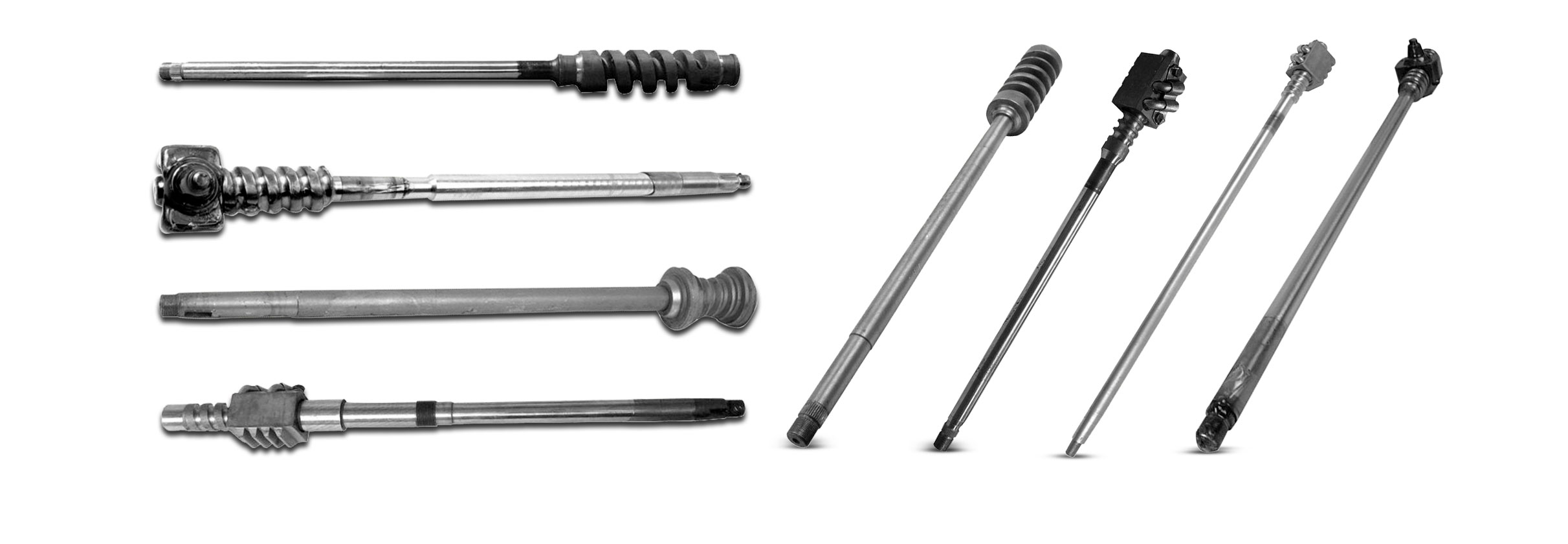
Tractor Shaft

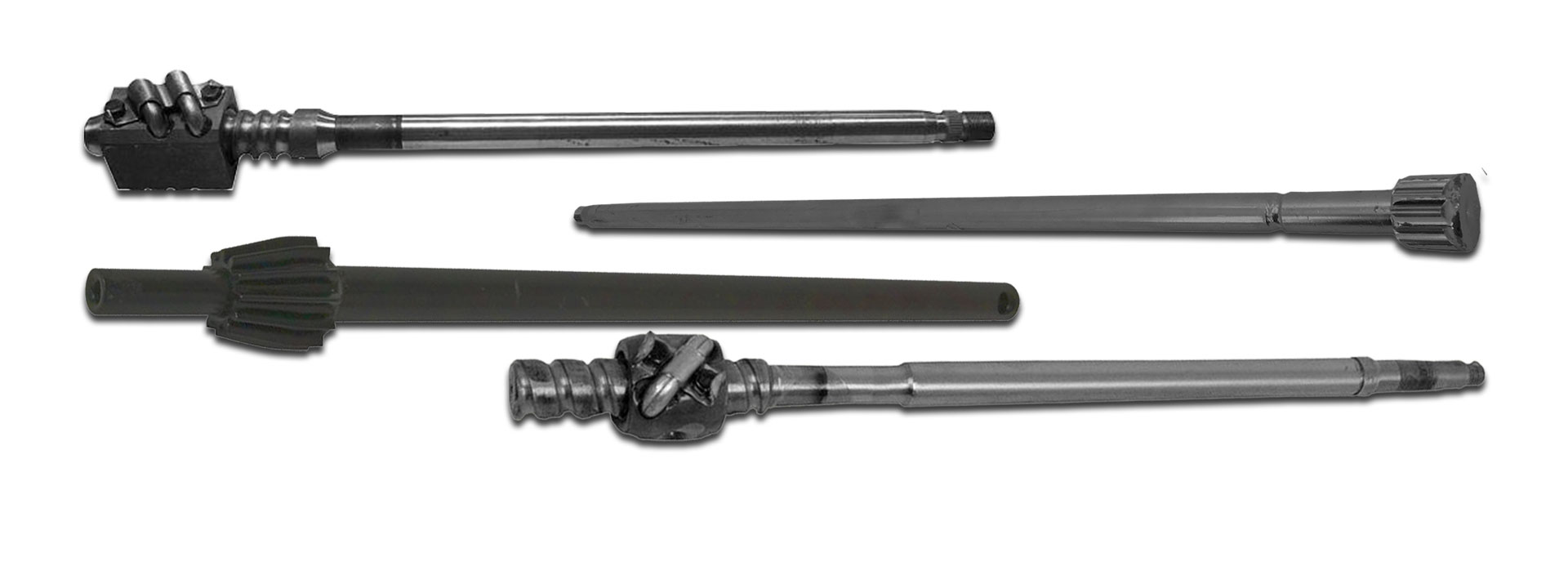
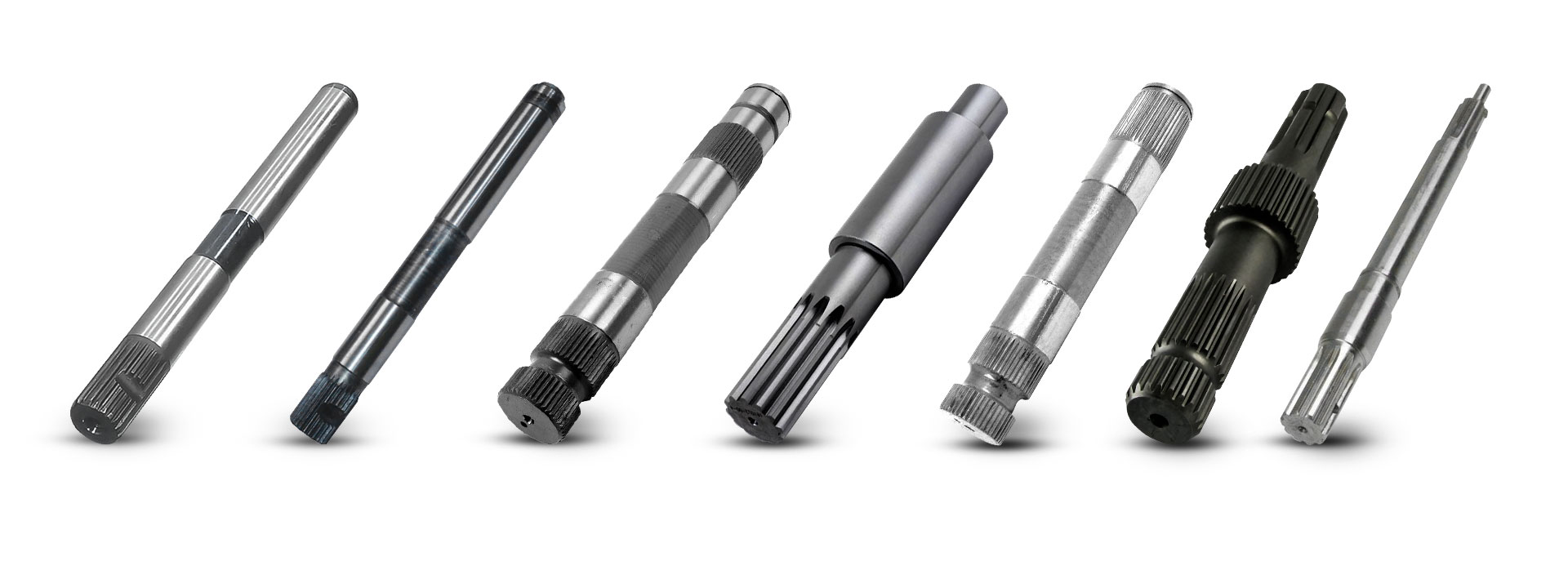
A tractor shaft is a fundamental element of the powertrain and driveline. It transmits torque and rotational motion from the engine and transmission to various subsystems, from the differential to the wheels, PTOs, or hydraulic pumps. A well-designed shaft is strong, precise, and able to withstand the dust, vibration, and heavy loads typical of agricultural work. Below is a human-friendly guide that explains what a shaft does, the common types you’ll encounter, where it’s installed on a tractor, and a practical, step-by-step look at installation and maintenance.

We are PERFECT GROUP CO. – manufacturer and exporter of engine parts under our registered brand PERFECT SPARES.
Read more

What Is a Tractor Shaft?

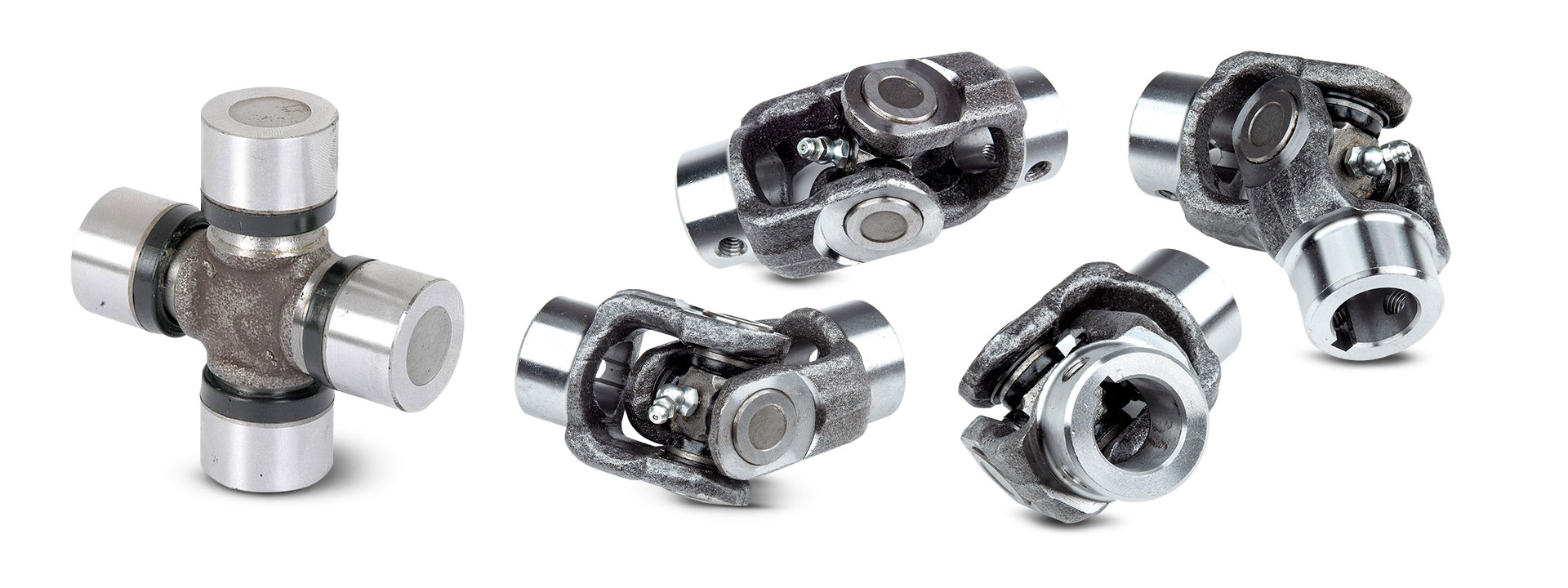
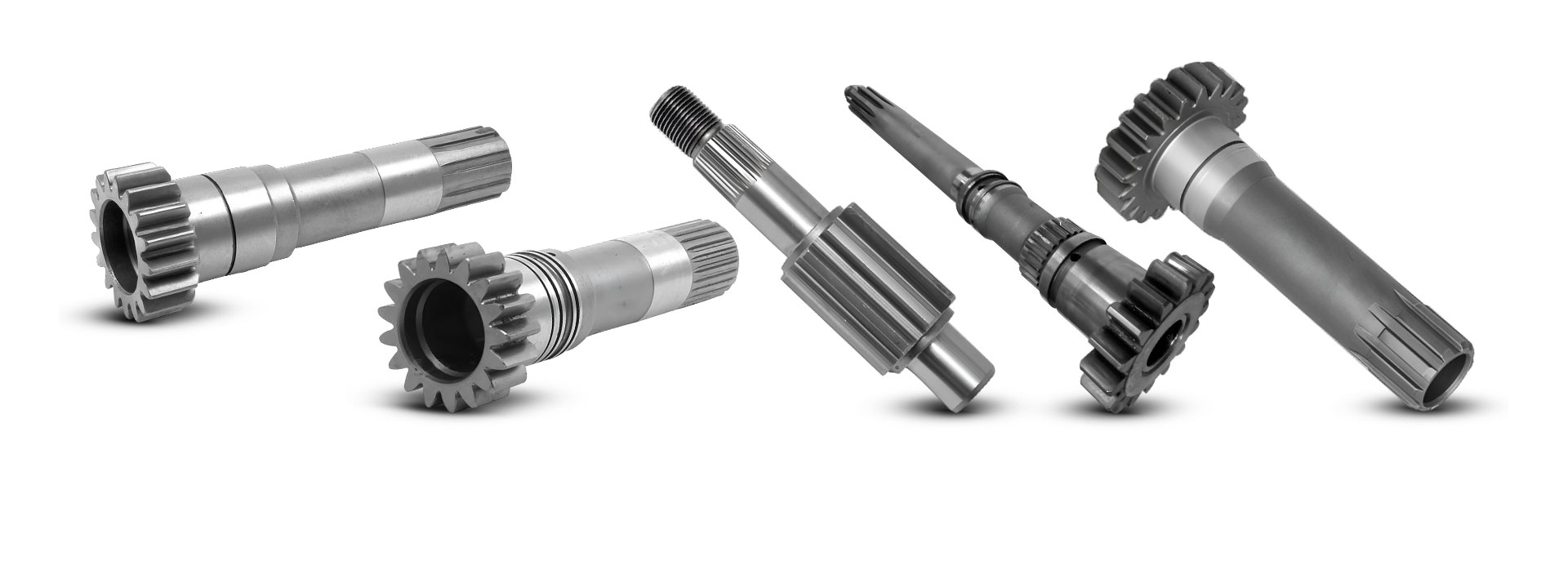
Types of Tractor Shafts

Note: Designs vary by model and manufacturer, but these are the common shaft categories you’ll typically encounter.

1. Input Shaft

2. Output Shaft

3. PTO Shaft (Power Take-Off)

4. Intermediate Shaft

5. Flange Shaft

6. Hollow or Light-Walled Shaft (where applicable)

7.  Cast vs. Solid/Machined

Where It Is Installed on a Tractor

Common touchpoints:

Installation and Maintenance: Step-by-Step Guide

1. Preparation

2. Dismantling

3. Removing the Old Shaft

4. Inspect and Replace Components

5. Install the New or Repaired Shaft

6. Alignment and Function Check

7. Lubrication and Testing

If you’d like, I can tailor this content to specific tractor models, add model numbers, or adapt the tone (technical, marketing, or casual).


CYLINDER LINERS RANGE 

WET CYLINDER LINER

  • Bright Finish
  • Black finish
  • Chrome Hardend Liner
  • With Orings
 
Read more

DRY SLEEVES

  • Semi Finish
  • Fully Finish
  • Chrome Sleeves
  • Phospated (Black Finish)
  • Oem Sizes and Modified sizes
 
Read more

AIR COOLED BLOCK 

  • Cast Irion
  • Mild steel
  • Alloy steel
  • Oem Sizes and Over sizes
 
Read more

Shaft

;

SPECIFICATION

Material Specification

  • Shafts use high-strength alloy steels (e.g., 42CrMo, 20Cr) or hardened carbon steels for exceptional torsional strength and fatigue resistance.
  • Surface hardening options (carburizing, through-hardening) protect splines and bearing seats from wear.
  • Precision-ground surfaces on bores, shoulders, and keyways ensure reliable torque transfer and smooth operation.
  • Seals, grooves, and lubrication channels are engineered for dust, moisture, and temperature variations typical in farming.
  • Tolerances are tight on runout, diameter, and spline fit to guarantee proper meshing with gears and hubs.
  • Corrosion-resistant coatings and protective finishes extend lifespan in harsh field environments.
  • Material certification and traceability meet ISO/DIN standards for quality assurance.

PROCESS 

Manufacturing Process

  • Design & Engineering: define load paths, spline counts, and mounting interfaces.
  • Material Preparation: select stock, inspect composition, and cut to near-net shapes.
  • Rough Machining: form shafts, shoulders, and mounting features.
  • Heat Treatment: harden critical surfaces while preserving core toughness.
  • Precision Machining: finish bores, splines, and external diameters; perform runout checks.
  • Surface Treatments: apply coatings or plating for wear and corrosion resistance.
  • Assembly & QA: verify fits, tolerances, and bearing surfaces; functional testing as required.
  • Packaging: secure with clear installation guidance and warranty terms.


Why Choose Perfect Spares

  • Consistent quality with traceable materials and rigorous tolerance control.
  • Durable shaft designs built to withstand dusty, wet, and high-load agricultural environments.
  • Comprehensive QA, including hardness testing and dimensional certification.
  • Clear documentation, installation guides, and reliable warranty support.
  • Local availability, quick lead times, and responsive technical assistance.